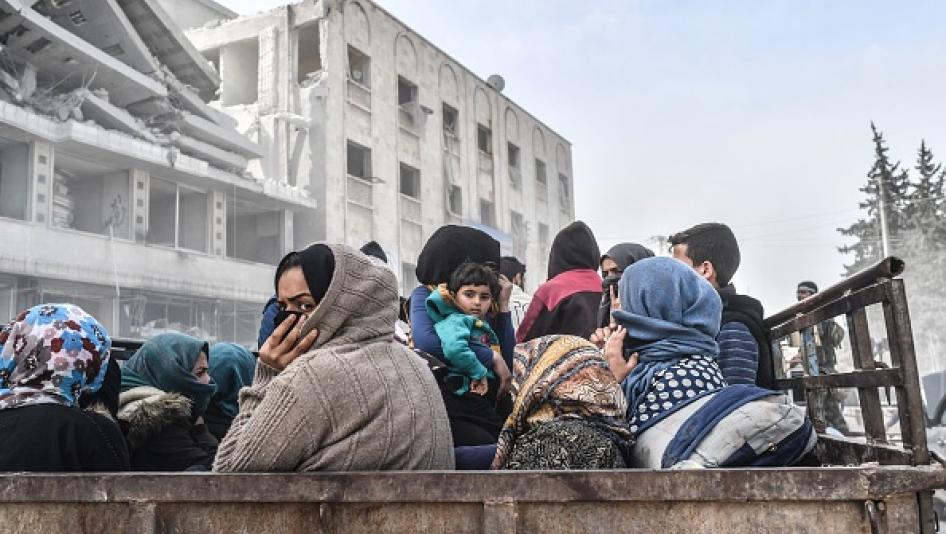
Large-Scale Attack with Heavy Weapons on Residential Neighborhoods in Aleppo Threatens the Lives of Over 600,000 Civilians
Date: 6–7 January
Location: Aleppo City – Northern Syria
Executive Summary
Field sources and local testimonies documented a large-scale attack targeting densely populated residential neighborhoods in the city of Aleppo using heavy and medium weapons. The attacks resulted in civilian casualties and caused extensive damage to civilian property and infrastructure. Preliminary data indicate that the attack posed a direct threat to the lives of more than 600,000 civilians residing in the targeted areas.
Targeted Areas
The shelling focused on the following residential neighborhoods:
– Sheikh Maqsoud Neighborhood
– Ashrafiyeh Neighborhood
– Bani Zaid Neighborhood
These neighborhoods are densely populated and include service, medical, and educational facilities.
Nature of the Attack and Weapons Used
According to field information, a range of heavy and medium weapons were used in the attack, including:
– Tanks
– Heavy artillery
– Multiple rocket launchers such as Grad and Katyusha
– Mortars
– Heavy machine guns (DShK type)
The shelling targeted densely populated civilian areas without clear indications of adequate precautions taken to minimize civilian harm.
Most Affected Locations Within the Neighborhoods
Large parts of the three neighborhoods were affected, particularly:
– Al-Jazeera Laundry area
– Farrouj Ammar
– Al-Hassan Mosque
– Grand Sheikh Maqsoud Mosque
– Furniture Street in Ashrafiyeh
– Street 15
– Street 20
– Martyrs’ Square
– Al-Shaqif area
– Youth Housing complex
– Ma’rouf Neighborhood
Field reports indicated that dozens of residential buildings were damaged due to the direct impact of shells and rockets.
Civilian Casualties
The attacks during the first two days (6 and 7 January) resulted in:
– 8 civilian deaths
– 52 civilians injured with varying degrees of severity
Documented Civilian Victims (subject to updates):
1. Fatima Hamada – 41 years old
2. Masoud Faiq Abdo – 30 years old
3. George Khouam – 42 years old (from the Christian community)
4. Sabri Mohammad Abdul Qader
5. Susan Al-Muhtadi – employee at the Directorate of Agriculture
6. Dima Dweidari – employee at the Directorate of Agriculture
7. Child Khurshid Omar – 13 years old
Partially Documented Civilian Injuries:
1. Evan Abdo – 2 years old
2. Sham Dallo – 3 years old
3. Sharif Sido – 52 years old
4. Mohammad Habib – 82 years old
5. Aslan Bakr – 18 years old
6. Ali Aslan Muslim Bilal – 17 years old
7. Sharafan Abdo Mamo – 17 years old
8. Hassan Mohammad Eid Qurtan – 30 years old
9. Mohammad Sheikh Kilo – 70 years old
10. Ramzi Kilo – 18 years old
11. Mohammad Hussein Bakr – 23 years old
12. Khadija Alloush – 47 years old
13. Shiro Mohammad Hussein – 44 years old
14. Mohammad Nour Shoubak – 26 years old
15. Mohammad Aibash – 21 years old
16. Hamid Habash – 74 years old
17. Ibrahim Mohammad Rashid – 34 years old
18. Hevin Omar – 29 years old
19. Dima Al-Hussein – 85 years old
20. Mustafa Abdul Hamid Hassan – 38 years old
21. Arslan Allo – 75 years old
22. Rifaat Mohammad Allo – 64 years old
23. Masoud Ali Karko – 18 years old
24. Abdulaziz Dawood – 24 years old
25. Rajab Abdul Fattah – 13 years old
26. Nouri Khalil – 29 years old
27. Nouri Jamal Hussein
28. Dilbrin Hamdoush – 45 years old
29. Jihad Salah Nasser – 15 years old
30. Basel Sharif Al-Ali
31. Mohammad Zakaria Mardali
32. Orhan Samo
Material Damage
The attacks resulted in:
– Damage to at least 300 residential homes
– Destruction or severe damage to dozens of service and medical facilities
– Widespread damage to civilian infrastructure within the targeted neighborhoods
Parties Involved in the Attack
Visual evidence published by members of the participating factions indicates the involvement of several armed formations, including:
– Division 62 (known as Suleiman Shah Division – Al-Amshat)
– Division 72 (known as Sultan Murad Division)
– Division 76 (known as Hamza Division)
– Division 80 (known as Nour al-Din al-Zenki Movement)
According to the documented material, these factions participated in military operations targeting the المذكورة residential neighborhoods.
Legal Assessment
Targeting densely populated residential neighborhoods using heavy weapons with wide destructive capacity, without taking sufficient measures to protect civilians, constitutes a serious violation of the principles of international humanitarian law, particularly:
– The principle of distinction between civilians and combatants
– The principle of proportionality in the use of force
– The principle of protection of civilian objects
Such attacks on densely populated civilian areas may amount to war crimes under the Geneva Conventions and customary international humanitarian law.
Conclusion
The documentation of these attacks demonstrates a dangerous pattern of using heavy military force within densely populated civilian areas, resulting in civilian casualties and widespread damage to property and infrastructure.
The continued use of heavy weapons in residential neighborhoods threatens the lives of hundreds of thousands of civilians and exacerbates the humanitarian crisis. This situation calls for an independent international investigation to hold those responsible accountable and to ensure the protection of civilian populations.